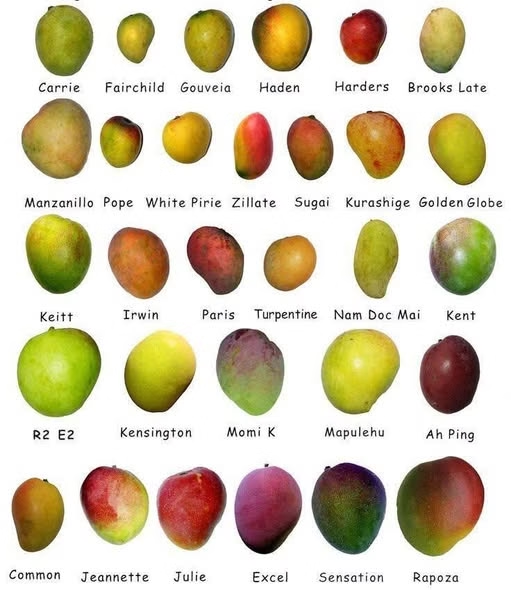
Explore the diverse world of mangoes, known as the ‘king of fruits,’ in some countries with different varieties recognized for their unique flavors, textures, and colors. Learn about popular types like Alphonso and Haden mangoes, major mango-exporting countries like India, Mexico, and Thailand, and discover the numerous health benefits of both raw green and ripe sweet mangoes. Uncover delicious recipes to incorporate mangoes into your diet, delve into the cultural significance of mangoes worldwide, and understand the cultivation practices that make this beloved fruit thrive. Join us on a journey to celebrate all things mango! Image source: Facebook
Read these first:-
- Farming 101: Durians – Fascinating History and Diverse Varieties
- Food 101: Chili – The Fiery Journey of A Culinary Delight
- Nature 101: Embracing Sustainable Living: Tips for a Greener Lifestyle
- Farming 101: Precision & Smart Farming – Part 2: Lessons from Singapore (Videos)
Types of Mangoes Around the Globe
Mangoes, often dubbed as the “king of fruits,” come in a plethora of varieties that are cultivated in tropical and subtropical regions worldwide. Each type of mango possesses distinct flavors, textures, and colors, making them a nutritional staple and a delightful treat for many. One of the most celebrated varieties is the Alphonso mango, which hails from India. Known for its creamy texture and rich, sweet flavor, the Alphonso is often regarded as the finest mango in the world. Its vibrant golden-yellow hue adds to its visual appeal, making it a favorite for desserts and fresh consumption.
Another notable variety, the Haden mango, originated in Florida and features a stunning red-yellow skin with a rich flavor profile that balances sweetness and acidity. The Haden mango is known for its fibrous flesh, making it perfect for smoothies and salsas. Those who appreciate a firmer, less fibrous option may prefer the Tommy Atkins mango. This variety is characterized by its deep red skin with green and yellow hues. Its mild flavor and long shelf life make it a popular choice for commercial production and global distribution.
In addition to these well-known types, numerous other mango varieties excel in specific regions. The Kesar mango, primarily grown in Gujarat, India, is another favorite for its sweetness and aromatic essence. The Kent mango, typically found in Mexico, offers a juicy, tender flesh and a succulent sweetness that appeals to tropical fruit lovers. Each of these variations contributes to the vast kaleidoscope of mango flavors and experiences worldwide, reinforcing the fruit’s universal acclaim and supporting the diverse agricultural practices of the regions in which they thrive.
Major Mango-Exporting Countries
Mango, often referred to as the “king of fruits,” holds significant importance in the world’s agricultural landscape. The largest exporters of mangoes include India, Mexico, and Thailand, each contributing uniquely to the global mango market through production statistics and cultural relevance.
India stands as the predominant player in mango production, accounting for approximately 40% of the world’s total mango output. With a diverse range encompassing over a thousand varieties, the Indian mango’s sweetness and unique flavor are celebrated globally. Major producing states, such as Uttar Pradesh, Maharashtra, and Andhra Pradesh, play crucial roles in this industry. The country’s mangoes are not only vital for domestic consumption but also form a significant part of India’s export economy, with countries like the United Arab Emirates, the United States, and the European Union being primary importers, thus enhancing India’s cultural exports through mangoes.
Mexico, the second-largest exporter, has seen a significant rise in its mango production over the past few decades. The country produces several sweet varieties, including Ataulfo and Haden, that have gained acceptance in global markets. Mexico’s mango season generally runs from March to September, during which the bulk of the exports, primarily to the United States and Canada, occurs. The nation’s geography and climate, particularly in states like Sinaloa and Nayarit, are conducive to high-quality mango production, reaffirming its status as a leading exporter.
Thailand also plays a crucial role in the international mango trade, with its mango exports representing a considerable portion of its agricultural output. Thai mangoes, particularly the Nam Dok Mai variety, are renowned for their sweetness and are popular in various culinary applications both domestically and globally. The country’s strategic trade agreements and an increasing interest in Thai cuisine have further propelled the demand for its mangoes in foreign markets.
.
Please accept YouTube cookies to play this video. By accepting you will be accessing content from YouTube, a service provided by an external third party.
If you accept this notice, your choice will be saved and the page will refresh.
Health Benefits of Raw Green Mangoes
Raw green mangoes, often celebrated for their refreshing tartness, are not only a delightful addition to culinary practices but also pack a plethora of health benefits. These unripe fruits are rich in vital nutrients, including vitamins A, C, and E, as well as various B vitamins. A notable feature of raw green mangoes is their high vitamin C content, which is essential for maintaining a healthy immune system. This powerful antioxidant helps to neutralize free radicals, thereby reducing the risk of chronic illnesses and infections.
Moreover, raw green mangoes are known to assist in digestive health. They contain dietary fiber, which aids in the smooth functioning of the gastrointestinal tract. Fiber promotes regular bowel movements and helps prevent constipation, contributing to overall digestive wellness. Additionally, the presence of enzymes in raw mangoes may enhance digestion by breaking down proteins more efficiently. This is particularly beneficial for individuals experiencing digestive discomfort or those with a sedentary lifestyle.
In terms of skin health, raw green mangoes can be incredibly beneficial. Their vitamin C content plays a crucial role in collagen synthesis, which is vital for maintaining skin elasticity and preventing signs of aging. Furthermore, the antioxidants in these fruits can help combat skin damage caused by sun exposure and pollution. Applying raw mango pulp externally may also aid in treating various skin ailments, showcasing its versatility as both a dietary and topical agent.
Incorporating raw green mangoes into one’s diet can provide a delightful flavor while concurrently offering significant health advantages. Whether consumed raw, pickled, or in smoothies, these tangy fruits can be a valuable addition to a health-conscious lifestyle.
Health Benefits of Ripe Sweet Mangoes
Ripe sweet mangoes, known as the “king of fruits,” offer a myriad of health benefits that contribute to overall well-being. Rich in essential nutrients and antioxidants, these tropical delights are not only delicious but also remarkably healthy. First and foremost, ripe mangoes are an excellent source of vitamins A and C. Vitamin A plays a crucial role in maintaining healthy vision, enhancing immune function, and promoting skin health. Meanwhile, vitamin C is vital for the growth and repair of tissues, acts as an antioxidant, and helps in the absorption of iron from plant-based foods.
Moreover, the antioxidant properties of ripe mangoes are notable. They contain compounds such as quercetin, beta-carotene, and various polyphenols, which help neutralize harmful free radicals in the body. This protective effect can lower the risk of chronic diseases, including certain types of cancer and heart disease. Regular consumption of mangoes may also contribute to healthier cardiovascular health by improving lipid profiles and reducing inflammation.
In addition to their vitamins and antioxidants, mangoes are good for digestive health. They are a natural source of dietary fiber, which can aid in digestion and promote regular bowel movements. This fiber content also helps regulate blood sugar levels, making mangoes a suitable fruit choice for individuals managing diabetes when consumed in moderation.
Furthermore, the presence of various phytochemicals in ripe sweet mangoes offers additional benefits, including enhancing cognitive function and boosting mood. The vibrant taste and sweetness of mangoes can uplift spirits and provide a refreshing treat during warmer months. In conclusion, the health benefits of ripe sweet mangoes are numerous, supporting eye health, heart health, and overall vitality, making them a worthwhile addition to any diet.
Please accept YouTube cookies to play this video. By accepting you will be accessing content from YouTube, a service provided by an external third party.
If you accept this notice, your choice will be saved and the page will refresh.
.
Mangoes in Ayurveda
Mangoes, often referred to as the “King of Fruits,” hold a significant place in Ayurvedic medicine, where they are appreciated not only for their delightful taste but also for their numerous health benefits. In Ayurveda, mangoes are classified according to the principles of ‘Rasa’, ‘Virya’, and ‘Vipaka.’ The ‘Rasa,’ or taste, of mangoes is predominantly sweet, which is associated with nourishing qualities and can help balance an individual’s doshas, particularly Vata and Pitta. Their sweetness makes them ideal for alleviating conditions associated with both dryness and heat, promoting a sense of well-being.
The ‘Virya’ or potency of mangoes is considered heating. This warming quality enhances digestion and can stimulate metabolic processes. Ayurveda recognizes that consuming mangoes in moderation can help in counteracting certain ailments, such as digestive issues, due to their ability to improve Agni, or digestive fire. As a result, their recommended use can vary seasonally. During the hot summer months, mangoes are generally advised to be consumed fresh and preferably in moderation to avoid excessive heat in the body.
When evaluating their ‘Vipaka’, or post-digestive effect, mangoes are noted for their sweet and nourishing outcome, which contributes positively to overall health. They are considered beneficial for restoring strength after illness, invigorating the body, and promoting vitality. In Ayurveda, mangoes are also used to treat various conditions—including but not limited to dehydration, digestive disorders, and skin complaints. The powerful combination of their hydration, cooling, and nourishing properties makes them an essential component in Ayurvedic dietary recommendations.
Moreover, during the mango season, practitioners often suggest including saffron or cardamom with mango preparations for heightened health benefits, particularly for enhancing digestion and absorption. Overall, the multifaceted roles of mangoes in Ayurveda underscore their importance not just as a delicious fruit but as a versatile medicinal food.
Potential Side Effects of Eating Mangoes
Mangoes, often celebrated for their rich flavor and nutritional benefits, can pose certain side effects when consumed in excess or by individuals with specific health conditions. One of the most notable issues is the potential for allergic reactions. The protein profile of mangoes can trigger allergies in some individuals, leading to symptoms such as itching, swelling, or gastrointestinal distress. Those who have a history of allergies to similar fruits, like poison ivy or cashews, should exercise caution when consuming mangoes for the first time.
Another concern is the possibility of digestive issues, particularly when mangoes are overconsumed. Due to their high fiber content, excessive intake can lead to diarrhea or abdominal cramping in sensitive individuals. It is advisable to consume mangoes in moderation, especially for those who are not accustomed to a high-fiber diet. Additionally, the high sugar content found in mangoes may causa spikes in blood sugar levels, which can be particularly troubling for individuals with diabetes. Therefore, it is recommended that diabetic patients monitor their portion sizes closely and consult with a healthcare professional about including this fruit in their diet.
For those who are concerned about the potential side effects of mango ingestion, seeking advice from healthcare professionals can provide tailored recommendations that consider individual health conditions. Overall, while mangoes are an excellent source of vitamins and antioxidants, enjoying this vibrant fruit in moderation is essential to mitigate potential adverse effects. Moderation is key, ensuring that the delightful taste and numerous health benefits of mangoes can be enjoyed without negative consequences.
Please accept YouTube cookies to play this video. By accepting you will be accessing content from YouTube, a service provided by an external third party.
If you accept this notice, your choice will be saved and the page will refresh.
.
Delicious Mango Recipes to Try
Mangoes, known for their sweet and juicy flesh, are a versatile ingredient that can enhance various dishes. Here are some delightful recipes that showcase the unique flavor of mangoes while promoting a creative approach to incorporating this tropical fruit into your culinary repertoire.
One of the simplest and most refreshing ways to enjoy mango is in a Mango Smoothie. Combine one ripe mango, a cup of yogurt (or a dairy-free alternative), and a splash of orange juice in a blender. Blend until creamy and smooth, adding ice cubes for an extra chill. This smoothie serves as an excellent breakfast option or a post-workout refreshment, packed with vitamins and hydration.
For a light and healthy option, try a Mango Salad. Dice one mango and mix it with diced cucumber, red onion, and a handful of cilantro. Dress with a squeeze of lime juice, a drizzle of olive oil, salt, and pepper to taste. This salad not only provides a burst of color to your table but also combines refreshing flavors, making it perfect as a side dish or a standalone meal during hot summer days.
Mangoes also shine in savory dishes, such as Mango Salsa. Chop together two ripe mangoes, one red bell pepper, half a red onion, and a jalapeño pepper. Mix with lime juice, salt, and cilantro. This salsa can be served with grilled fish or chicken, or enjoyed with tortilla chips, offering a delightful contrast to richer flavors.
For a sweet finale, prepare Mango Sorbet. Puree three ripe mangoes with sugar and lime juice, then freeze the mixture. Stir every 30 minutes until firm. This artisanal dessert will be a hit at any gathering and is a great way to savor the essence of mangoes.
These recipes highlight the versatility of mangoes and encourage their inclusion in your diet, celebrating this delectable fruit in various forms.
Mango Cultivation: A Growing Industry
Mango cultivation has evolved into a vital industry, contributing significantly to economies in tropical and subtropical regions. The growth of mangoes, particularly in countries like India, Mexico, and Thailand, requires specific climatic and soil conditions. These delicious fruits flourish in warm temperatures, ideally ranging from 25°C to 30°C, and thrive in well-drained, sandy loam soils rich in organic matter. As such, farmers meticulously select planting sites to optimize their yield.
The harvest process is a critical phase in mango cultivation. Typically, mangoes are harvested when they are mature but not yet fully ripe, allowing them to develop their flavors during transport. Farmers implement various methods to ensure that the mangoes are picked at the appropriate time, often assessing the fruit’s color and firmness. This stage is crucial, as improper timing can lead to decreased fruit quality or loss, affecting market value and consumer satisfaction.
Mango farmers face several challenges that pertain to pest management, climate change, and market volatility. Pests can significantly threaten mango crops, thus requiring effective strategies for pest control while minimizing environmental impact. Moreover, climate change poses a risk to consistent production patterns, making adaptability essential for farmers. Implementing sustainable farming practices, such as organic fertilization and integrated pest management, enables farmers to produce high-quality mangoes while maintaining ecological balance.
Supporting local mango growers not only fosters economic development but also strengthens community ties. By purchasing mangoes directly from farmers or local markets, consumers help sustain livelihoods and promote sustainable agriculture. As awareness regarding the environmental and social impact of our food choices grows, the importance of valuing local produce becomes increasingly apparent. Thus, mango cultivation not only caters to the demand for this beloved fruit but also plays a pivotal role in fostering sustainable agricultural practices and supporting local communities.
Final Say
Mangoes, often referred to as the “king of fruits,” hold significant cultural and symbolic importance across various nations and communities. This tropical fruit has transcended its status as a mere food item to become a symbol of everything from love to prosperity, deeply embedded in the social fabric of many cultures.
In India, mangoes are celebrated with an array of festivals, most notably the Aamras festival, which highlights the delicious pulp of the fruit. The mango is often seen as a harbinger of summer, and its inclusion in local rituals signifies abundance and prosperity. Moreover, the mango tree itself is considered sacred in many Hindu traditions, representing love, devotion, and fertility. Folklore also holds that offering mangoes to deities brings blessings to families, further intertwining this beloved fruit with spiritual practices.
In many Southeast Asian cultures, mangoes are integral to traditional celebrations. For example, in Thailand, the famous dessert ‘Sticky Rice with Mango’ is served during special occasions, showcasing the fruit’s culinary versatility as well as its symbolic significance. The fruit also appears in auspicious events, including weddings, symbolizing good luck and prosperity for couples starting their new lives together.
In the Caribbean, mangoes represent the heart of summertime festivities. The region celebrates the “Mango Festival,” an event that emphasizes not just the different varieties of mangoes but also the cultural practices associated with their consumption and cultivation. This festival draws attention to local artisans, markets, and food traditions centered around mangoes.
In conclusion, the symbolic significance of mangoes extends beyond their delightful taste, reflecting the rich cultural heritage of various regions. This beloved fruit plays a crucial role in festivals, folklore, and everyday life, symbolizing abundance, love, and celebration across diverse cultures worldwide.