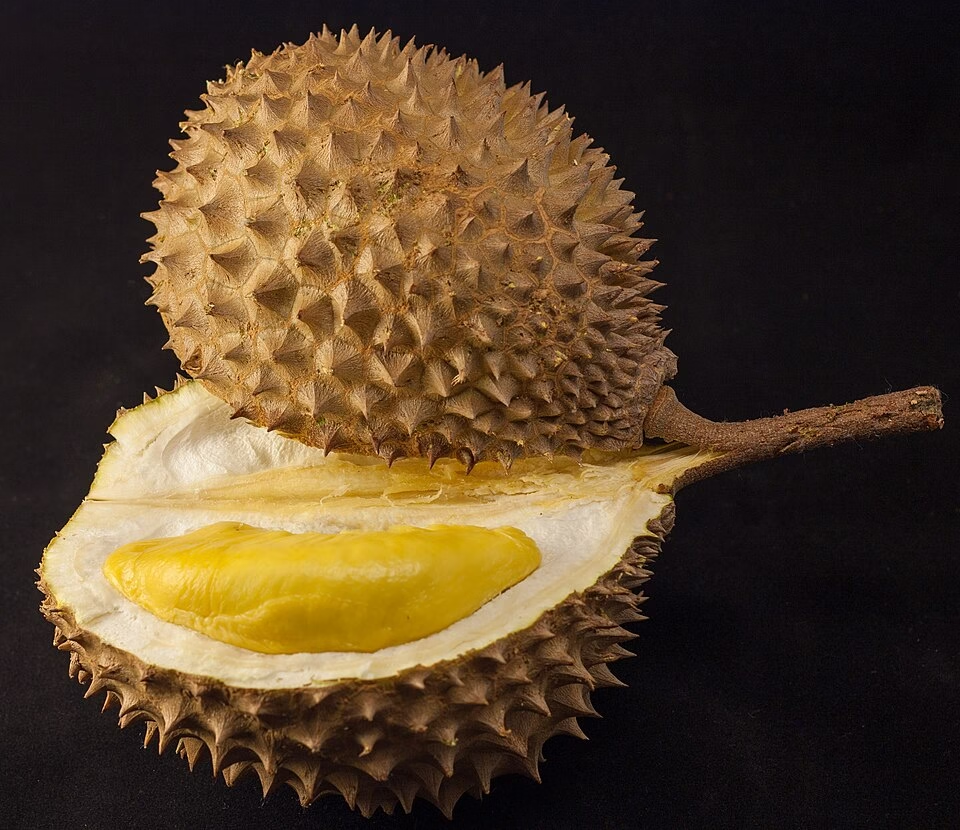
Durian, often called the “king of fruits,” is a large, spiny tropical fruit native to Southeast Asia, especially Malaysia, Indonesia, and Thailand. Famous for its powerful, pungent odour—described as a mix of rotten onions, turpentine, and sewage—it has a creamy, custard-like flesh that ranges from pale yellow to deep orange, with a complex flavour blending sweet, savoury, nutty, and slightly alcoholic notes. Image source: Wikimedia
Read these first:-
- Health 101: Cancer – Quick Insights into Common Types
- Health 101: The Importance of Maintaining Good Gut Health
- Nature 101: Embracing Sustainable Living: Tips for a Greener Lifestyle
- Health 101: The Health Benefits and History of Traditional Indian Spices
- Health 101: Understanding Cholesterol: The Good And The Bad
Introduction to the King of Fruits
The durian, often regarded as the ‘king of fruits,’ is a tropical delicacy that commands attention not only for its formidable appearance but also for its distinct odor and flavor. Native to Southeast Asia, this fruit has a notorious reputation: its potent scent has sparked debates among locals and travelers alike. Many describe the aroma as a complex blend of sweet and savory, with some likening it to rotten onions or turpentine, while others find it to be an alluring and unique scent. This polarizing fragrance can evoke strong reactions, leading to its prohibition in certain hotels and public transportation in various regions.
Culturally, durians hold a special place in the hearts of many Southeast Asians. In countries like Thailand, Malaysia, and Indonesia, it is not uncommon to find durian sellers lining the streets, with eager customers sampling different varieties. The fruit’s popularity has even led to its status as a symbol of national pride for some nations, sparking festivities and celebrations centered around the fruit. People partake in durian tasting events and culinary contests, showcasing regional varieties and highlighting traditional dishes that incorporate durian.
The durian’s culinary versatility ranges from savory dishes to desserts. Chefs and home cooks alike experiment with durian in ice creams, pastries, and even savory curries. Despite its divisive nature, durian enthusiasts often proclaim it to be a superfood due to its high vitamin content and rich phytonutrients. This characteristic has contributed to an increasing global interest in the fruit, paving the way for its cultivation beyond Southeast Asia.
This blog post will delve deeper into the history, varieties, and cultural significance of durians, exploring what truly makes this ‘king of fruits’ an extraordinary specimen in the realm of tropical produce.
Origin of Durians
Durians, often regarded as the “king of fruits,” trace their roots back to the rainforests of Southeast Asia, with Malaysia and Indonesia recognized as their likely origin points. This tropical fruit has been cultivated for centuries, with evidence suggesting that durians were integrated into local agricultural practices as early as the 15th century. Traditionally, durians were not only consumed as food but also held notable cultural importance among indigenous communities, often being associated with various rituals and celebrations.
Throughout history, durians have played a vital role in the social and economic fabric of the region. Local communities valued this unique fruit for its distinctive flavor and nutritional benefits. While the durian is infamous for its strong odor, many cultures have embraced its scent, believing it to be a representation of prosperity and abundance. Such beliefs have contributed to the fruit’s revered status within this part of the world, spurring numerous tales, myths, and legends surrounding its consumption and cultivation.
The cultivation of durians has evolved significantly over the years. Initially, these fruits were primarily grown in wild conditions, but as demand increased, farmers began to invest in more organized cultivation systems, enhancing quality and yield. The traditional methods of planting and harvesting durians reflect a deep understanding of the local ecosystem, allowing farmers to maintain sustainable practices while meeting market demands. Today, durians are celebrated not only in Southeast Asia but also around the world, often considered a delicacy in various culinary contexts, showcasing the fruit’s successful journey from humble beginnings in the forests of Southeast Asia to global recognition.
Please accept YouTube cookies to play this video. By accepting you will be accessing content from YouTube, a service provided by an external third party.
If you accept this notice, your choice will be saved and the page will refresh.
.
Durian Cultural Relevance
The durian, often referred to as the “king of fruits,” holds a significant place in the cultural landscape of Southeast Asia. Revered for its distinctive taste and strong aroma, this tropical fruit symbolizes both abundance and indulgence. Many cultures in the region, including those in Malaysia, Thailand, and Indonesia, celebrate the durian during local festivals and special occasions. In these societies, the fruit is often seen as a delicacy, embodying a source of pride and a representation of culinary heritage.
In culinary traditions, durian is utilized in a variety of dishes, ranging from traditional desserts to contemporary cuisine. For example, it is commonly found in ice creams, pastries, and even savory dishes. This versatile fruit has also inspired numerous recipes that highlight its rich, creamy texture and unique flavor. Local chefs often experiment with durian, creating innovative dishes that intrigue both locals and visitors alike. The incorporation of durian into various culinary contexts demonstrates its importance within the gastronomic realm of the region.
However, the perception of the durian varies greatly between locals and tourists. While many Southeast Asians passionately defend the fruit’s appeal, often describing its taste as a complex blend of sweet and savory, many visitors find its odor off-putting. Anecdotes abound regarding the mixed reactions durians elicit; some travelers report their initial distaste evolving into an acquired fondness. Reviews from tourists frequently highlight this polarizing characteristic, noting that durians can be a love-it-or-hate-it experience. This dichotomy serves to reinforce the cultural relevance of the durian, as it not only represents a beloved delicacy for many but also sparks conversations and curiosity among those unfamiliar with it.
Durian Varieties
Durian, often referred to as the “king of fruits,” boasts a rich array of varieties, each with its own distinct flavor profile, texture, and aroma. Cultivated predominantly in Southeast Asia, the diversity of durian is a testament to the region’s agricultural heritage. Among the most renowned varieties is the Musang King, also known as Raja Kunyit, which is highly prized for its creamy texture and sweet, yet bitter, flavor, accompanied by a pungent aroma that is greatly appreciated by durian enthusiasts. This variety is primarily cultivated in Malaysia, particularly in the states of Pahang and Johor, where the ideal growing conditions contribute to its exceptional quality.
Another popular variant is D24, also known as “Sultan,” which is celebrated for its strong taste and smoother texture. This variety possesses a less overwhelming fragrance compared to Musang King, making it more approachable for those less familiar with durian. D24 is widely grown in Malaysia and has gained significant popularity in international markets. Its distinctive characteristics and taste make it a favorite among both local consumers and visitors seeking to explore the diverse durian options available.
Beyond these well-known varieties, durian cultivation includes numerous others, such as the TXG and Red Prawn. TXG durian has a unique combination of sweetness and slight bitterness, paired with a moderate aroma, while Red Prawn is distinguished by its reddish flesh, offering an intensely sweet taste. These varieties further illustrate durian’s versatility, catering to varying palates and preferences. Each of these varieties contributes to the rich tapestry of durian cultivation, reflecting the local agricultural practices and cultural significance of this unique fruit across different regions.
Please accept YouTube cookies to play this video. By accepting you will be accessing content from YouTube, a service provided by an external third party.
If you accept this notice, your choice will be saved and the page will refresh.
.
Differences Among Varieties
The durian, often referred to as the “king of fruits,” showcases a range of visual and sensory characteristics that distinguish its numerous varieties. These differences can be observed in size, shape, husk color, flesh texture, and flavor profiles, making each type unique and notable in its own right.
In terms of size, durians can vary substantially; some varieties are small and round, resembling a large orange, while others can achieve considerable dimensions, weighing up to 7 kilograms or more. The shape of durians can also differ, with some exhibiting a more oval form while others are distinctly spiky and irregular. Husk color is another differentiating factor, ranging from green to yellow-brown, and even pale orange hues depending on the ripeness and specific variety.
The texture and color of the flesh inside the husk can vary significantly, as well. For instance, certain types, like the “Musang King,” are famed for their creamy, custard-like flesh, often displaying a vibrant yellow tint. In contrast, other varieties, such as the “D24,” tend to have a firmer texture that may appear pale yellowish or slightly white. These textures profoundly influence the eating experience.
Flavor also plays a crucial role in identifying durian varieties. Some, such as the “Monthong” variety, present a sweeter flavor profile with subtle hints of almond and caramel, making them highly sought after. Others, like the “Red Prawn,” are characterized by a rich, complex taste that can include notes of honey and bitterness. The diversity in flavor, coupled with varying degrees of creaminess and sweetness, adds another layer of intrigue for durian enthusiasts and casual consumers alike.
The ability to distinguish between these durian varieties based on their visual and sensory attributes enhances the appreciation of this unique fruit, further embedding its status in culinary traditions across Southeast Asia.
Nutritional Profile of Durians
Durians are often regarded as the “king of fruits” not only for their peculiar taste and odor but also for their impressive nutritional profile. This tropical fruit is rich in essential nutrients, making it a noteworthy addition to a healthy diet. A typical serving of durian contains approximately 357 calories, which can provide a substantial energy boost. Although it is relatively high in calories for a fruit, the unique combination of nutrients it offers may balance this out.
In terms of vitamins, durians are a commendable source of several key nutrients. They are particularly high in vitamin C, which is essential for immune function, skin health, and antioxidant protection. A serving can contain around 80 mg of vitamin C, surpassing the daily recommended intake. Additionally, durians contain a range of B vitamins, including B1 (thiamine), B2 (riboflavin), B3 (niacin), and B6 (pyridoxine), which play critical roles in energy metabolism and brain health.
When it comes to minerals, durians provide significant amounts of potassium and magnesium. Potassium is vital for maintaining heart health and regulating blood pressure, and a single serving may supply around 20% of the recommended daily intake. Meanwhile, magnesium contributes to over 300 biochemical reactions in the body, assisting with muscle function and overall nervous system health.
Moreover, durians contain dietary fiber, promoting digestive health and aiding in the prevention of constipation. The fruit also boasts phytochemicals that may have antioxidant and anti-inflammatory effects, further enhancing its health benefits. Overall, when consumed in moderation, durians can be a flavorful and nutritious part of a balanced diet, contributing positively to overall well-being.
Please accept YouTube cookies to play this video. By accepting you will be accessing content from YouTube, a service provided by an external third party.
If you accept this notice, your choice will be saved and the page will refresh.
.
Culinary Uses of Durians
Durians, often referred to as the “king of fruits,” hold a unique position in various culinary traditions across Southeast Asia and beyond. Their distinctive flavor and aroma have led to a wide array of culinary applications, showcasing both traditional and modern uses of this intriguing fruit. In traditional Malaysian dishes, durian is often incorporated into sweet and savory recipes, demonstrating its versatility. For instance, “durian rice” combines the fruit with glutinous rice for a delightful dessert, while some may use it to enhance rich coconut curries.
In Thailand, the fruit plays a crucial role in the iconic “sticky rice with durian” dessert. This dish features glutinous rice paired with durian flesh and drizzled with coconut milk, making it a favorite among enthusiasts. Likewise, in Indonesia, durians are used in a refreshing drink called “es durian,” which combines blended durian with ice and syrup, illustrating how this fruit is enjoyed in various forms. Modern culinary innovations have also embraced durians, leading to the creation of gourmet delicacies such as durian pastries, ice cream, and cheese. Chefs often infuse durian into cakes and tarts, allowing the unique taste of the fruit to complement other flavors artfully.
Beyond traditional cuisine, the global rise of fusion foods has encouraged chefs worldwide to experiment with durian. Incorporating this fruit into savory dishes creatively, such as durian-infused sauces or marinated meats, demonstrates its adaptability. It’s also important to note that durians can vary in flavor based on their variety, leading to different culinary results. As a result, culinary enthusiasts continue to explore diverse durian varieties in their cooking adventures, ensuring that this notorious fruit remains a celebrated ingredient in global cuisine.
Durians vs. Other Fruits
Durians hold a unique position in the fruit world due to their distinctive characteristics that set them apart from other fruits. The most striking difference lies in their taste and texture. While many fruits are celebrated for their sweetness and juiciness, durians are often described as rich and creamy, with a flavor that can best be characterized as a complex amalgamation of sweet, savory, and even slightly bitter notes. This multifaceted profile can be polarizing; some people find it delightful, while others are put off by the strong flavor.
When it comes to texture, durians are unequivocally unique. Their flesh is custard-like, providing a soft and smooth mouthfeel, which contrasts sharply with the crunchy textures of apples or the fibrousness of bananas. This texture adds to the overall experience of consuming durian, making it not just a food item but an experiential delicacy.
Aroma also plays a crucial role in setting durians apart from other fruits. The smell of durian is famously potent and can be likened to that of rotten onions or turpentine. This overwhelming scent can deter many individuals from trying it, while ardent enthusiasts argue that the aroma is part of its allure. The smell is a barrier for some; hence, durians are often banned in hotels and public transportation in certain regions.
Moreover, the nutritional profile of durians, which includes being rich in vitamins and minerals while also being high in calories and carbohydrates, distinguishes them further from traditional fruits. In contrast to the more common low-calorie fruits, durians present an energy-dense option, making them versatile in culinary uses, from desserts to savory dishes. Each of these unique properties contributes to the ongoing debate surrounding durians, cementing their status as one of the most fascinating fruits in the culinary canon.
Please accept YouTube cookies to play this video. By accepting you will be accessing content from YouTube, a service provided by an external third party.
If you accept this notice, your choice will be saved and the page will refresh.
.
Final Say
The durian, often referred to as the “king of fruits,” boasts a storied history as rich and diverse as its multitude of varieties. Revered in Southeast Asia and often shunned elsewhere due to its distinct aroma, this complex fruit presents an intriguing case study in cultural perception and culinary appreciation. From the distinctive, thorny exterior to the creamy, custard-like interior, the durian invites both admiration and apprehension, illustrating the subjective nature of taste. Its reputation can be polarizing; however, it is essential to explore its impressive lineage and the various cultivars that enhance its legacy.
Throughout history, durians have played a significant role in local economies and cultures, embodying the essence of tropical regions. They are not only a food source but also a symbol of culinary identity, often featured in festivals and traditional dishes. Recognizing the significant nutritional benefits that durians provide, including a plethora of vitamins and minerals, further elevates their status as a functional fruit. As consumers, there is much to learn from this fascinating produce; understanding its varieties, such as the Musang King or D24, can transform one’s perspective on what is often perceived as an acquired taste.
Readers need to embrace the durian experience by overcoming misconceptions and exploring the delightful flavors that each variety has to offer. Rather than focusing solely on its controversial reputation, one should consider the rich aroma and diverse textures that captivate many devoted enthusiasts. Ultimately, the durian is more than just a fruit; it is an experience steeped in history and culture, waiting for adventurous palates to discover. Enjoying durians, in moderation, can lead to a greater appreciation of global culinary diversity and evoke curiosity toward this remarkable fruit.
Pingback: Farming 101: The Delightful World Of Mangoes: Varieties, Benefits, And Ayurvedic Insights