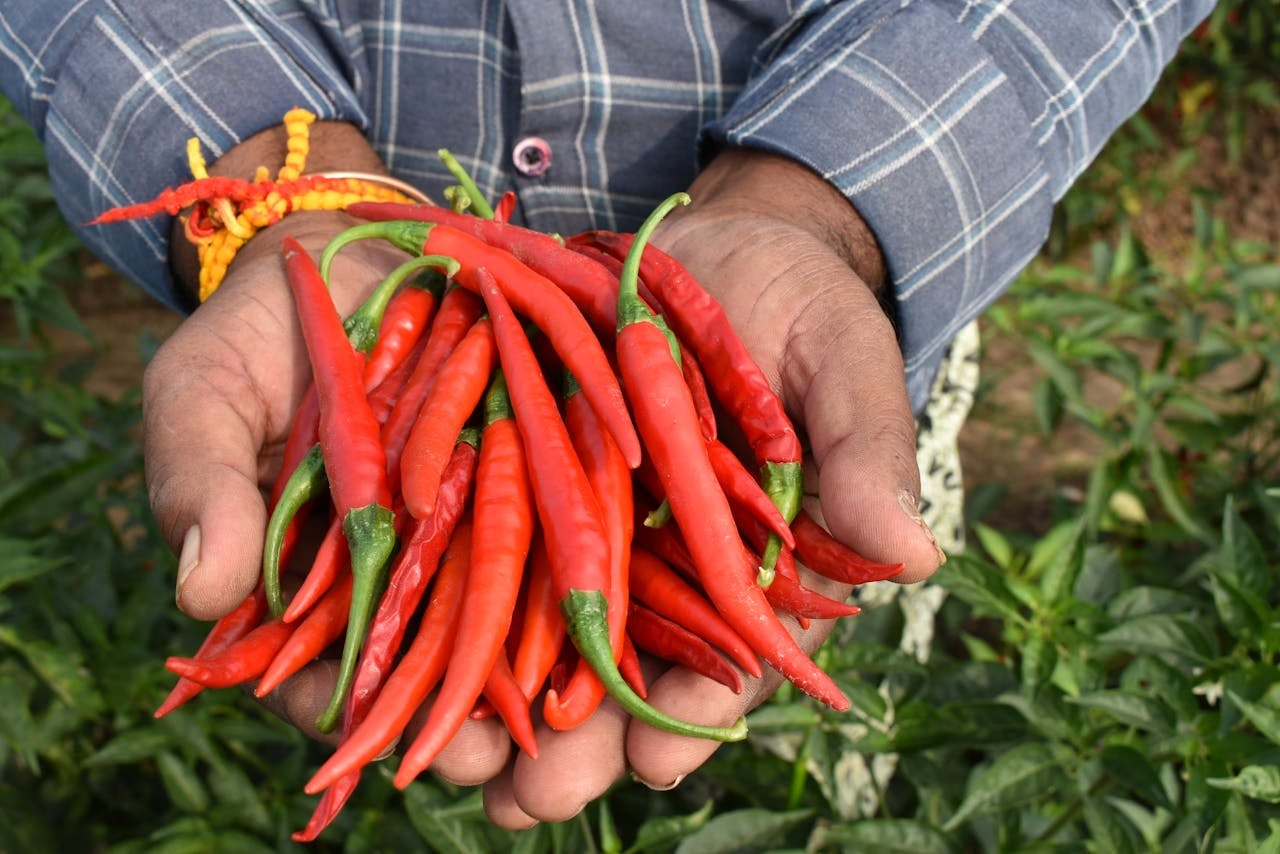
Chili peppers (also spelled chili or chile) are the fiery, pungent fruits of plants in the genus *Capsicum*, belonging to the nightshade family (Solanaceae). Native to the Americas—likely first domesticated in Mexico—they were spread worldwide after Christopher Columbus brought them to Europe in the late 15th century, quickly becoming essential in cuisines across Asia, Africa, the Caribbean, and beyond. Their signature heat comes from **capsaicin** and related compounds concentrated in the inner membranes, measured on the Scoville scale from mild bell peppers at 0 SHU to ultra-hot varieties like Pepper X exceeding 2.6 million SHU. Image source: Bharath N/Pexel
Read these first:-
- Health 101: The Health Benefits and History of Traditional Indian Spices
- Health 101: Cancer – Quick Insights into Common Types
- Health 101: The Goodness of Pulses – Indian Lentils and Legumes
- Health 101: Best Ways to Start the Day Based on Indian Ancient Rituals
- Health 101: Understanding Ancient Ayurvedic’s 3 Main Doshas
A Brief History of Chili Peppers
Chili peppers have a rich history that dates back to ancient civilizations in Central and South America, where they were first domesticated around 6,000 years ago. Evidence suggests that indigenous peoples, including the Aztecs and Mayans, cultivated various chili species, using them not only for culinary purposes but also in ceremonial and medicinal contexts. The versatility of these peppers made them a staple in their diets, and they soon became integral to the region’s culture.
The global journey of chili peppers began with the Columbian Exchange in the late 15th century, a period of extensive transfer of plants, animals, and cultures between the Old World and the New World following Christopher Columbus’s voyages. Chili peppers were among the many crops introduced to Europe, Asia, and Africa, leading to their widespread adoption. In these various regions, chili peppers adapted to local cuisines, further enhancing their popularity. The spiciness of chili peppers added unique flavors and heat, transforming the culinary landscape of cultures around the globe.
Throughout history, key events have driven the popularity of chili peppers in diverse cuisines. The spice trade in the 16th and 17th centuries played a significant role as European nations sought valuable trade commodities. Combining chili peppers with local ingredients led to the creation of iconic dishes, from spicy curries in India to vibrant salsas in Mexico. The admiration for chili peppers continued into modern times, with the rise of food trends emphasizing bold flavors and heat, cementing their status in contemporary cooking.
The evolutionary journey of chili peppers reflects their adaptability and cultural significance, showcasing how this humble fruit traversed boundaries to become a beloved component of cuisines around the world. Their history is a testament to humanity’s connection with the natural world and reflects the dynamic nature of culinary practices over time.
The Main Chili-Exporting Countries
Chili peppers, a vital ingredient in cuisines around the world, have their primary production concentrated in several countries, notably Mexico, India, and Thailand. Each of these nations has developed unique agricultural practices and benefitted from climate conditions that favor the cultivation of chili peppers. As a result, they have emerged as the leading exporters in this vibrant market.
Mexico stands out as one of the largest chili pepper producers globally, with an estimated production volume of over 400,000 metric tons annually. The country’s diverse climate, ranging from dry and hot to cooler, wetter regions, allows for the cultivation of various pepper varieties, including jalapeños and serranos. Additionally, Mexican farmers have implemented sustainable agricultural practices, such as integrated pest management and organic farming, which contribute to the quality and yield of their chili crops. The economic significance of the chili industry in Mexico cannot be overstated, as it contributes significantly to the national economy, with chili exports valued at approximately $1.2 billion.
India ranks high on the list of chili-exporting nations, producing around 2 million metric tons of chilies each year. The country’s diverse agro-climatic zones, particularly in states like Andhra Pradesh and Madhya Pradesh, allow for multiple cropping seasons, yielding various chili types such as green and dried red chilies. Indian farmers often rely on traditional farming methods, though there is a growing trend towards modern agricultural techniques to boost productivity. The export value of Indian chilies reached about $1 billion, reflecting both the global demand for Indian spices and the strategic positioning of the country as a major player in the chili market.
Meanwhile, Thailand, known for its distinctive chili varieties such as bird’s eye chilies, has also established itself as a significant exporter. With production figures around 500,000 metric tons annually, Thai farmers benefit from a tropical climate that supports year-round cultivation. The country’s focus on quality and international standards has allowed its chili exports to flourish, generating revenues estimated at $200 million. The combination of favorable climatic conditions and innovative agricultural methods solidifies Thailand’s reputation in the chili industry.
Please accept YouTube cookies to play this video. By accepting you will be accessing content from YouTube, a service provided by an external third party.
If you accept this notice, your choice will be saved and the page will refresh.
.
Famous Dishes Featuring Chili Peppers
Chili peppers have found their way into a multitude of culinary traditions across the globe, delighting taste buds with their bold flavors and varying heat levels. Each region has adapted these spicy fruits into unique and beloved dishes, elevating meals with the distinct characteristics that only chili can offer.
In Mexico, chili peppers are a cornerstone of the nation’s cuisine. Salsas, made from fresh tomatoes and a variety of peppers such as jalapeños and serranos, are essential accompaniments for tacos, enchiladas, and grilled meats. The iconic mole sauce, which combines different types of dried chilis, chocolate, and spices, exemplifies the sophistication with which chilies are used in traditional Mexican cooking. The balance of heat and flavor in these dishes emphasizes the versatility of chili peppers.
Indian cuisine also highlights the importance of chili peppers, particularly through its diverse range of curries and rich masalas. From the fiery vindaloo of Goa to the milder korma dishes, chili peppers play a vital role in creating complex flavors. Each region in India incorporates its local varieties of chili, resulting in variable heat levels; for instance, the spicy green chili is often used in the north, while the dried red chilies are more common in southern preparations.
Meanwhile, in Thailand, chili peppers are masterfully blended within intricate flavors to form dishes like green curry and tom yum soup. Thai cuisine is renowned for balancing sweet, sour, salty, and spicy elements, with the chili pepper adding an exciting dimension of heat. The use of fresh bird’s eye chilies can dramatically raise the intensity, showcasing how cultural preferences for spice can shape culinary practices.
Overall, from the fiery hot salsas of Mexico to the sweet-spicy curries of India and the aromatic dishes of Thailand, chili peppers add depth and character to global cuisines. As these culinary traditions continue to evolve, the importance of chili peppers remains at the forefront, celebrating regional diversity and flavor innovation.
The Science Behind the Spiciness: Capsaicin
Capsaicin, a complex organic compound found predominantly in chili peppers, is the primary agent responsible for their characteristic heat. Chemically, it is classified as a capsaicinoid, a group of compounds that interact with certain receptors in the human body. When chili peppers are consumed, capsaicin stimulates the TRPV1 receptors, which are normally responsible for sensing physical heat and pain. This stimulation tricks the brain into interpreting the sensation as a burning feeling, even though there is no actual thermal damage occurring in the tissues. This unique interaction explains why individuals may experience significant discomfort or pain after consuming spicy foods.
The intensity of heat in various chili peppers is quantified using the Scoville Heat Scale, which was developed in 1912 by pharmacist Wilbur Scoville. This scale measures the concentration of capsaicin in a given pepper, determining its heat level based on a dilution test. For instance, the sweet bell pepper registers zero Scoville Heat Units (SHU), while jalapeño peppers can range from 2,500 to 8,000 SHU. Conversely, extremely hot varieties, such as the Carolina Reaper, can exceed 1.5 million SHU, showcasing the wide spectrum of spiciness present within the chili pepper family.
Interestingly, individual perceptions of spiciness can vary significantly. This variability is influenced by genetic factors, cultural background, and personal experience with spicy foods, which can affect the density of taste receptors and overall sensitivity to capsaicin. As a result, while some individuals relish the intense heat derived from capsaicin, others may find it overwhelmingly painful. This complex interplay of biology and perception contributes to the diverse culinary applications and personal preferences associated with chili peppers across the globe.
Please accept YouTube cookies to play this video. By accepting you will be accessing content from YouTube, a service provided by an external third party.
If you accept this notice, your choice will be saved and the page will refresh.
.
Health Benefits of Chili Peppers
Chili peppers have been an integral part of many culinary traditions around the world, not only for their bold flavors but also for their remarkable health benefits. One of the most notable advantages of consuming chili peppers lies in their high antioxidant content. Antioxidants play a crucial role in combating oxidative stress within the body, reducing the risk of chronic diseases such as heart disease and cancer. The vibrant red, yellow, and even green hues of chili peppers indicate the presence of various antioxidants, including vitamins A and C, which are essential for maintaining overall health.
Furthermore, chili peppers are rich in capsaicin, the compound responsible for their spicy sensation. Capsaicin has been extensively studied for its potential to boost metabolism. Research indicates that capsaicin may enhance energy expenditure and fat oxidation, thereby aiding in weight management. A study published in the journal “Obesity” found that participants who consumed capsaicin experienced a significant increase in calorie burning after meals, suggesting a promising avenue for obesity prevention.
In addition to their metabolic effects, chili peppers may also have beneficial impacts on cardiovascular health. Consuming chili peppers regularly has been associated with lower levels of LDL cholesterol and improved circulation. A study conducted by the American Heart Association indicated that people who included chili peppers in their diet exhibited lower rates of heart disease. The anti-inflammatory properties of capsaicin may also contribute to these cardiovascular benefits by reducing arterial stiffness.
However, it is essential to approach chili pepper consumption with caution. While moderate intake can provide various health benefits, excessive consumption may lead to gastrointestinal irritation or other health issues. Individuals with certain medical conditions should consider consulting a healthcare professional before making significant changes to their diet. Balancing the consumption of chili peppers with other nutritious foods can create a more holistic approach to health and well-being.
Cooking with Chili Peppers: Tips for Home Chefs
Incorporating chili peppers into everyday cooking can elevate the flavor profile of a dish, introducing vibrant heat and depth. To begin, it is essential to understand the variety of chili peppers available; each type possesses distinct heat levels and flavor notes. For example, jalapeños provide a milder spice while habaneros can deliver intense heat. Consider balancing the flavors of your dish by introducing complementary ingredients, such as creamy dairy or sweet fruits, which can help to temper and enhance the heat of chili peppers.
When selecting chili peppers for a specific recipe, consider the overall balance of flavors. Pairing milder chilies with robust meats or seafood can create a well-rounded dish, while hotter varieties may be suited for salsas or sauces intended as condiments. Experiment with different chili forms, including fresh, dried, and powdered options, as they each contribute unique characteristics to your dishes. For instance, smoked paprika can add a depth of flavor that fresh chili does not offer.
Adjusting the heat level in a recipe is crucial for catering to individual preferences. Start by using small amounts of chili and gradually increase until you reach the desired spice. Remember that dried chilies often impart a more concentrated heat than fresh ones, so adjust accordingly. When handling fresh chili peppers, it is advisable to wear gloves to protect your skin from irritation and to avoid touching your face, especially sensitive areas such as the eyes.
Storing fresh chili peppers requires refrigeration, ideally in a perforated bag to maintain humidity while allowing airflow. Dried chili peppers, on the other hand, should be kept in a cool, dark place in an airtight container to preserve their flavor and potency. Implementing these practical tips allows home chefs to confidently explore the diverse world of chili peppers, enhancing their culinary repertoire.
Chili Festivals Around the World
Chili festivals hold a significant place in the global celebration of this fiery fruit. These events attract chili enthusiasts from diverse backgrounds, showcasing the rich culinary traditions associated with chili peppers. One of the most notable festivals is the National Fiery Foods & Barbecue Show held annually in Albuquerque, New Mexico. This event, which attracts thousands of visitors, features a wide array of spicy dishes and barbecued specialties, allowing participants to indulge in extensive tastings. Here, vendors showcase their best fiery products, ranging from hot sauces to spicy snacks, providing a platform for chili aficionados to explore new flavors and innovations in the culinary world.
Another prominent event is the Chile Festival, also in New Mexico, dedicated specifically to the celebrated Hatch green chiles. This festival typically includes various activities such as chili cook-offs, where chefs compete to create the best dishes using their secret chili recipes. Attendees participate in tastings and have the opportunity to purchase fresh chiles and related products from local farmers and vendors. Cultural performances often accompany these events, featuring regional music and dance, allowing visitors to experience the vibrant traditions intertwined with the celebration of chili.
Beyond the United States, international festivals also pay homage to chili peppers. For instance, the Fiery Foods Festival in Australia is renowned for its array of spicy foods and unique competitions, including the chili-eating contests that challenge participants to push their limits. Similarly, the Peppers Festival in Italy highlights the use of chili in traditional Italian cooking, with live demonstrations, tastings, and special exhibitions. These festivals not only celebrate chili but also foster a sense of community among food lovers who appreciate the heat and flavor that these vibrant peppers bring to our palates.
Please accept YouTube cookies to play this video. By accepting you will be accessing content from YouTube, a service provided by an external third party.
If you accept this notice, your choice will be saved and the page will refresh.
.
Final Say
The future of chili pepper production and consumption is being shaped by evolving consumer preferences, sustainability practices, and the pressing challenges posed by climate change. As more consumers become health-conscious, there is a notable rise in the demand for organic produce, including chili peppers. This shift has prompted growers to adopt organic farming techniques, which not only cater to market demands but also promote environmental sustainability. Organic farming methods reduce dependency on synthetic pesticides and fertilizers, emphasizing the importance of healthy soil and biodiversity in cultivating chili peppers.
In addition to organic practices, sustainable farming is increasingly crucial in the face of climate change. Many chili-growing regions are witnessing shifts in weather patterns, resulting in alterations to their growing seasons and crop yields. Innovative agricultural techniques, such as regenerative agriculture and controlled-environment agriculture, are emerging as potential solutions. These methods prioritize soil health and resource efficiency, enabling chili farmers to adapt to the adverse effects of climate change while maintaining productive yields.
Moreover, consumers are becoming more inquisitive about the sourcing and cultivation methods of their food. This trend has led to a rise in local farmer markets, where consumers are eager to purchase fresh, locally-grown chilies, supporting their communities and reducing transportation emissions. Alongside this, the popularity of chili-based products, including sauces, oils, and seasonings, continues to grow, further driving market demand.
As farmers and producers navigate the multifaceted challenges of climate change and shifting consumer values, embracing sustainable practices and innovative cultivation methods will remain central to the future of chili production. This evolution signifies not only a culinary shift towards the appreciation of chili peppers but also a commitment to environmental stewardship and health-conscious choices in food consumption.