Skip to content

Ayurvedic

Food 101: Chili – The Fiery Journey of A Culinary Delight

Chili Red Spices Food Indian Vegetables Cooking Health

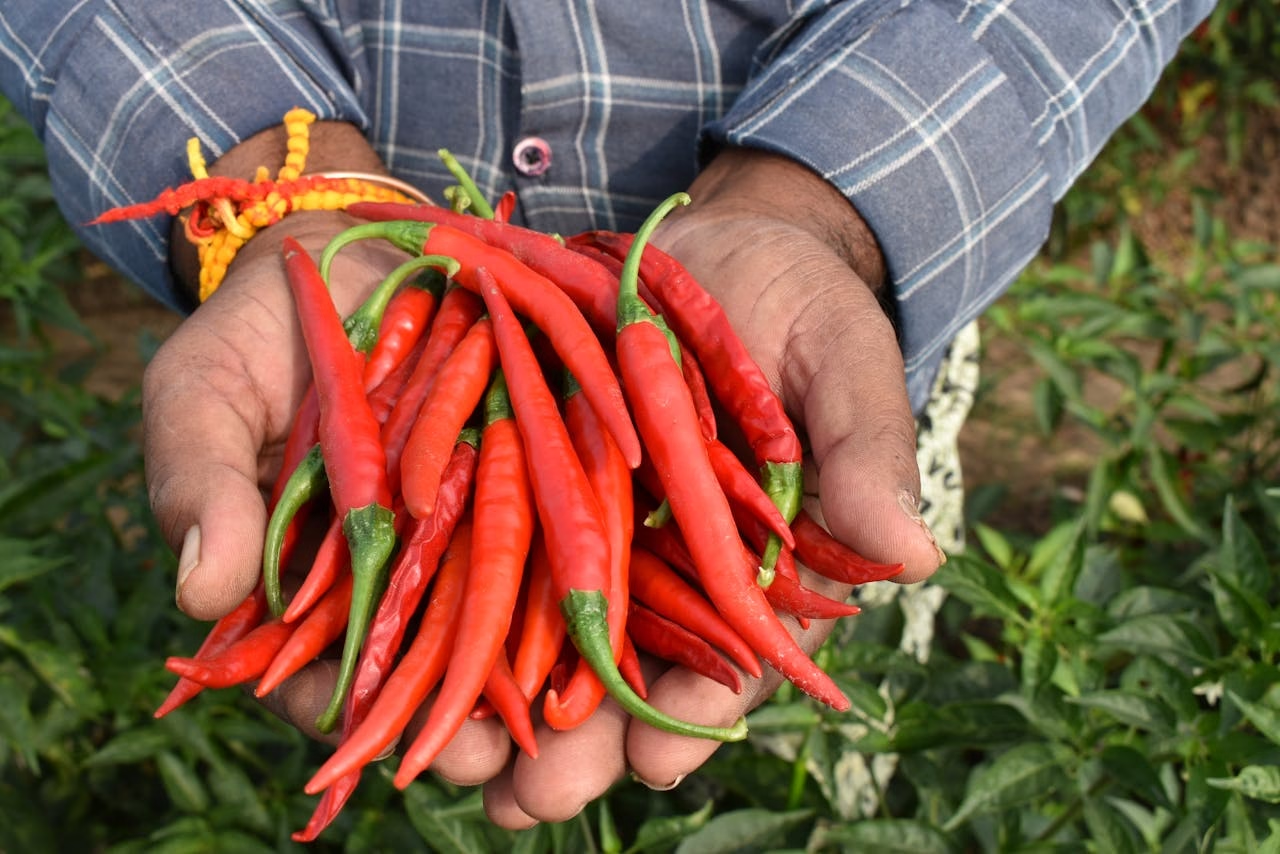
Chili peppers (also spelled chili or chile) are the fiery, pungent fruits of plants in the genus *Capsicum*, belonging to the nightshade family (Solanaceae). Native to the Americas—likely first domesticated in Mexico—they were spread worldwide after Christopher Columbus brought them to Europe in the late 15th century, quickly becoming essential in cuisines across Asia, Africa, the Caribbean, and beyond. Their signature heat comes from **capsaicin** and related compounds concentrated in the inner membranes, measured on the Scoville scale from mild bell peppers at 0 SHU to ultra-hot varieties like Pepper X exceeding 2.6 million SHU. Image source: Bharath N/Pexel

Read More »Food 101: Chili – The Fiery Journey of A Culinary Delight

Health 101: The Goodness of Pulses – Indian Lentils and Legumes

Pulses Legume Lentils Indian Food Spices Cooking

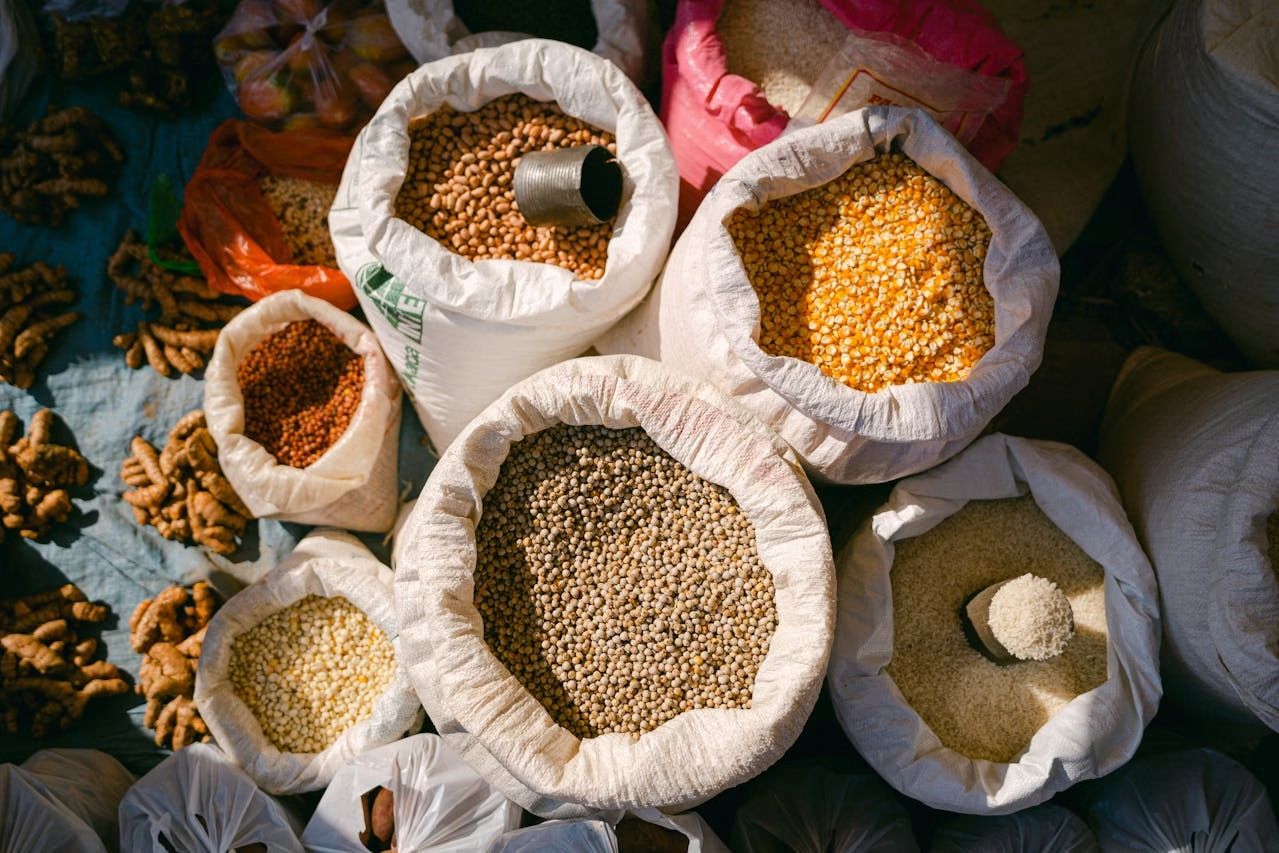
Pulses, in essence, are the dried, edible seeds of leguminous plants, such as lentils, beans, chickpeas, and peas. They are nutritional powerhouses, packed with protein, fiber, vitamins, and minerals, making them a vital component of healthy and sustainable diets globally. Beyond their nutritional value, pulses play a crucial role in agriculture by fixing nitrogen in the soil, reducing the need for synthetic fertilizers and contributing to soil health. They are also generally affordable and have a long shelf life, making them an accessible and sustainable food source, particularly in developing countries. Photo by Agung Pandit Wiguna

Read More »Health 101: The Goodness of Pulses – Indian Lentils and Legumes

Health 101: Strategies for Boosting Weak Immune System Naturally

Immune System Health Virus

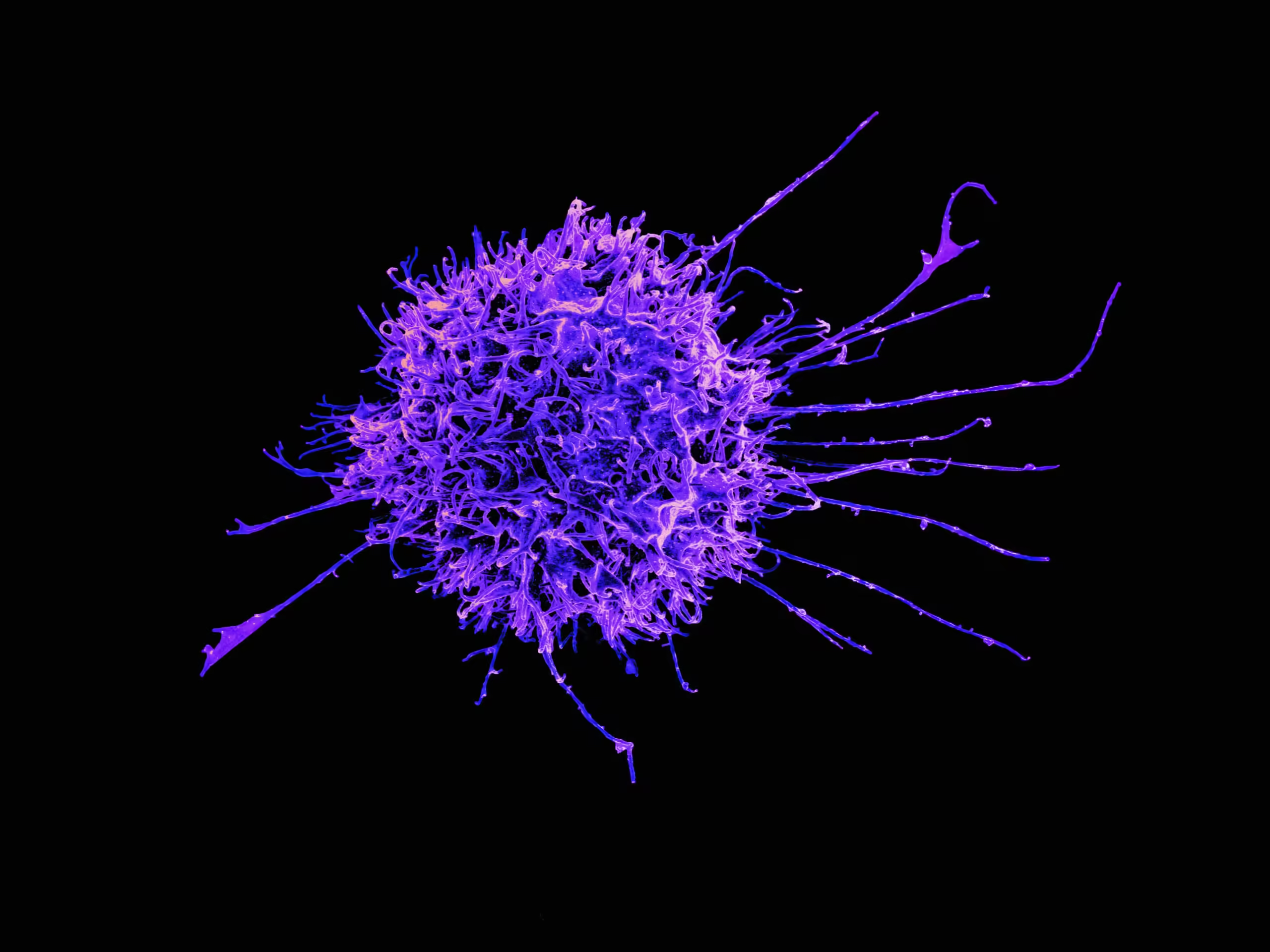
Lymphocytes are a vital component of the immune system, classified as a type of white blood cell. They are primarily responsible for the body’s immune response to foreign invaders such as viruses and bacteria. There are three main types of lymphocytes: B cells, T cells, and natural killer (NK) cells, each with a unique role in detecting and responding to pathogens. B cells produce antibodies, T cells can directly kill infected cells or help other immune cells, and NK cells are involved in the destruction of cancer cells and virus-infected cells. Photo by National Institute of Allergy and Infectious Diseases

Read More »Health 101: Strategies for Boosting Weak Immune System Naturally