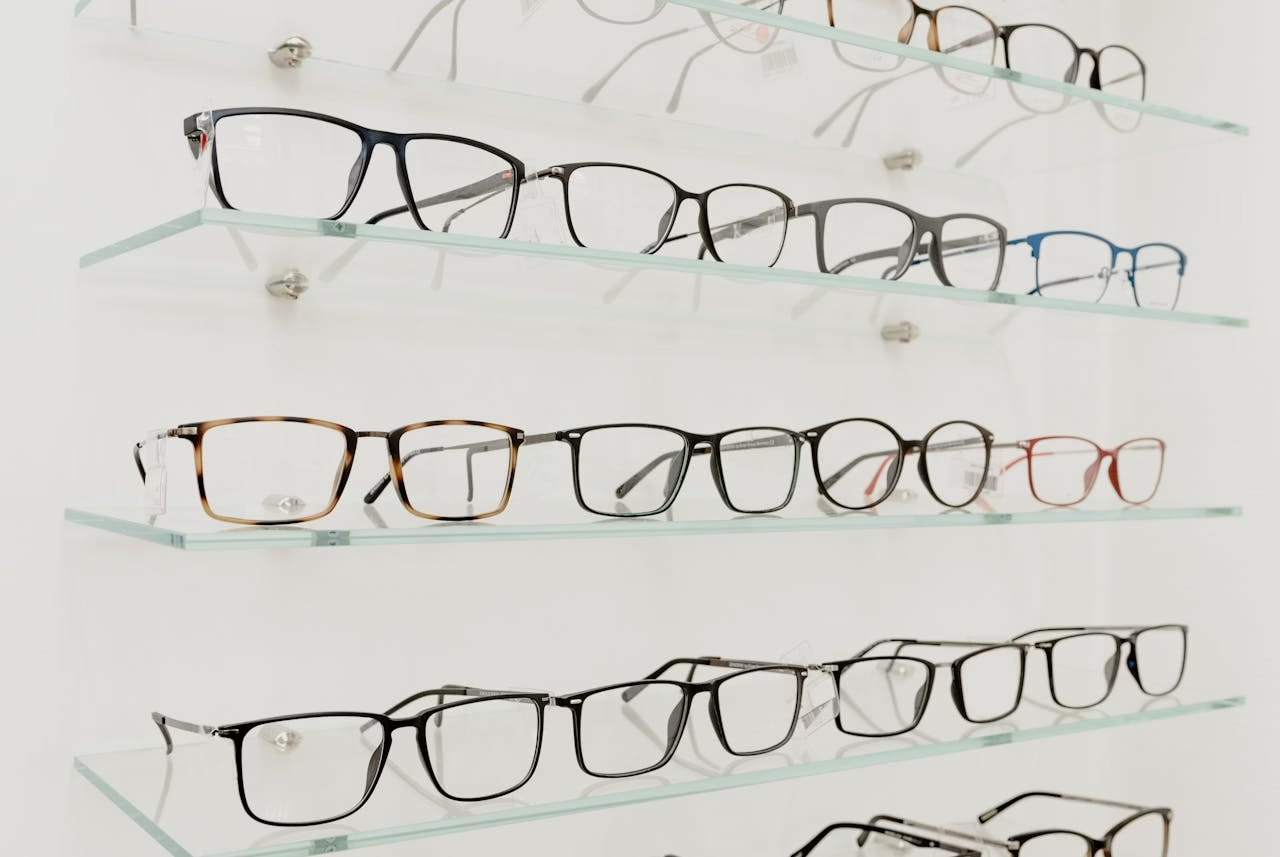
Spectacle lenses are precisely shaped pieces of optical material (usually plastic or glass) designed to correct vision problems by bending light rays before they enter the eye, compensating for refractive errors like myopia (nearsightedness), hyperopia (farsightedness), astigmatism, and presbyopia (age-related near-vision loss). Image source: Pexel / Ksenia Chernaya
Read these first:
- Technology 101: The Illusive Blue LED – From Myth to Reality
- Technology 101: Finding The Safest Airplane Seat
- Technology 101: Smart Fitness Band Review – Garmin Vivosmart 4
- Technology 101: Does Mesh WiFi Improve Internet Connection?
- Technology 101: The Headache of Having Multiple e-Wallet Apps
The History of Spectacle Lenses
The evolution of spectacle lenses can be traced back to ancient civilizations, with early references to vision correction found in texts from the Roman Empire. In ancient Rome, emperors such as Nero were known to use polished emeralds to improve their vision while observing gladiatorial contests. However, it was not until the 13th century that the first true eyeglasses were created, marking a pivotal breakthrough in optical technology. These initial spectacles were made of convex lenses that aided in the reading capability of the elderly.
The development of spectacle lenses saw significant strides throughout the centuries. Initially crafted from simple glass, these lenses evolved to incorporate varying shapes and materials to accommodate diverse visual impairments. The 16th century witnessed a rise in lens-making techniques, fueled by advancements in glass-making and a growing demand for vision correction. In Italy, artisans such as Giovanni Battista della Porta began to experiment with planospheric lenses, laying the groundwork for more complex designs.
As the centuries progressed, the understanding of optics deepened, leading to further innovations in lens crafting. Key figures such as glasses-maker Hans Lippershey in the early 17th century contributed to the enhanced refinement of spectacles. His invention of the telescope not only illustrated the principles of optics but also prompted new approaches in the design and production of magnifying lenses.
The 18th century introduced the bifocal lens, a design attributed to Benjamin Franklin, which revolutionized the way people corrected their vision. As industrialization paved the way for mass production in the 19th century, spectacle lenses became more widely accessible. Today, the modern spectrum encompasses a variety of specialized lenses, reflecting centuries of knowledge and expertise in the field of optics. The journey of spectacle lenses from rudimentary solutions to sophisticated designs epitomizes a significant trajectory of innovation that continues to evolve.
Types of Spectacle Lenses
There is a diverse array of spectacle lenses available to cater to the varied visual needs of individuals. Understanding the types of lenses and their unique applications is crucial for selecting the most appropriate eyewear. Among the most prevalent types are single vision lenses, bifocal lenses, multifocal lenses, and progressive lenses.
Single vision lenses are designed to correct a specific field of vision, whether far or near. They provide a clear visual experience for tasks such as reading or driving, depending on the prescription. These lenses are often favored for their simplicity and effectiveness for individuals with uncomplicated vision needs.
Bifocal lenses, on the other hand, encompass two distinct optical powers within a single lens. The top portion is typically prescribed for distance vision, while the lower segment is intended for near vision tasks, such as reading. This design caters to individuals who experience presbyopia, a common condition where the eye’s ability to focus on close objects diminishes with age.
Multifocal lenses extend the concept of bifocal lenses, offering multiple zones for viewing at varying distances. These lenses are beneficial for individuals who require correction for both near and distance vision across a wider range. They enable a smooth transition between different focal points, reducing the need to switch between multiple pairs of glasses.
Progressive lenses stand at the forefront of innovative lens design. They are often regarded as the ideal choice for presbyopic individuals, as they provide a seamless transition through multiple focal distances without the visible lines found in bifocal or trifocal lenses. This design not only enhances aesthetics but also improves functionality, accommodating a natural viewing experience without compromising on comfort.
In summary, selecting the proper type of spectacle lens is essential in addressing specific visual challenges. Understanding the differentiating features of single vision, bifocal, multifocal, and progressive lenses allows individuals to make informed decisions that best suit their visual needs and lifestyle.
Please accept YouTube cookies to play this video. By accepting you will be accessing content from YouTube, a service provided by an external third party.
If you accept this notice, your choice will be saved and the page will refresh.
.
Materials Used in Spectacle Lenses
The evolution of spectacle lenses has seen a variety of materials used in their manufacturing, each offering unique advantages and drawbacks affecting their performance and user experience. Traditionally, glass was one of the first materials used for lens production. It offers excellent optical clarity and high scratch resistance, which makes it an appealing choice for those prioritizing visual quality. However, glass lenses tend to be heavier than their modern counterparts, which can lead to discomfort during extended wear.
In contrast, plastic lenses, such as CR-39, have gained popularity due to their lightweight nature and shatter-resistant properties. These lenses provide good optical performance while significantly reducing the overall weight of spectacles. Plastic lenses are often favored for everyday wear and by individuals seeking comfort. However, they are typically less scratch-resistant compared to glass lenses, necessitating the application of anti-scratch coatings to enhance durability.
Polycarbonate lenses represent another innovative option in spectacle lens materials. Known for their exceptional impact resistance and lightweight design, polycarbonate lenses are particularly beneficial for children and individuals with active lifestyles. These lenses also offer UV protection, making them a practical choice for outdoor use. On the downside, polycarbonate lenses can exhibit slightly lower optical clarity than glass or plastic, and their susceptibility to scratches means that they also require protective coatings.
Ultimately, the selection of lens material profoundly impacts attributes like weight, visual performance, and durability. Each material—glass, plastic, and polycarbonate—carries distinct benefits and disadvantages, influencing consumer choices based on their specific needs and lifestyle requirements. Understanding these options is essential for individuals as they seek spectacles that best enhance their vision comfort and clarity.
The Role of Coatings in Lens Technology
Coatings play a critical role in modern spectacle lenses by enhancing their functionality, durability, and overall user experience. One of the most common coatings is the anti-reflective (AR) coating, which minimizes reflections on the lens surface. This feature is particularly beneficial for individuals who often use digital devices, as it reduces glare from screens. By improving light transmission, AR coatings allow more light to pass through the lenses, resulting in clearer vision and reduced eye strain in various lighting conditions.
Another vital coating is the scratch-resistant coating, which significantly extends the longevity of spectacle lenses. Made from advanced polymer materials, this coating forms a protective barrier against potential scratches from everyday use. Lens wearers often encounter various surfaces and environments, making the risk of scratches high. A scratch-resistant layer not only preserves the clarity of lenses but also safeguards the investment made in quality eyewear. This means users can enjoy sharper vision for longer periods without the need for frequent replacements.
UV protection coatings are also essential in contemporary lens technology. These coatings shield the eyes from harmful ultraviolet (UV) rays emitted by the sun, which can lead to severe eye conditions over time, including cataracts and macular degeneration. By incorporating a UV protection layer, spectacle lenses contribute to long-term eye health, allowing individuals to enjoy outdoor activities without worrying about harmful impacts on their vision.
In summary, the application of various coatings to spectacle lenses—such as anti-reflective, scratch-resistant, and UV protection—enhances both the functionality and durability of eyewear. These innovations not only improve the visual experience for users but also ensure their lenses withstand the test of time, ultimately contributing to a more satisfying and comfortable wearing experience.
Please accept YouTube cookies to play this video. By accepting you will be accessing content from YouTube, a service provided by an external third party.
If you accept this notice, your choice will be saved and the page will refresh.
.
Emerging Technologies in Spectacle Lenses
The spectacle lens industry has seen significant advancements in recent years, driven by innovations aimed at improving vision correction and user experience. Among these emerging technologies, digital lenses have become increasingly prominent. Digital lenses are produced using advanced computer algorithms that allow for more precise customization than traditional lenses. This enhanced precision can lead to improved visual acuity and decreased eye strain, especially for individuals with complex prescriptions. By tailoring the lens characteristics to the user’s unique vision profile, digital lenses represent a major leap in personalized eyewear.
Adaptive lenses, another key innovation, offer dynamic adjustment capabilities based on environmental lighting conditions. These lenses automatically darken in bright sunlight and return to a clear state indoors, providing users with both comfort and protection from harmful UV rays. This technology is particularly beneficial for outdoor enthusiasts and individuals who transition frequently between different lighting environments, eliminating the need for separate prescription sunglasses. Adaptive lenses cater to a growing demand for convenience and versatility in eyewear solutions.
The advent of smart glasses marks a further significant advancement in spectacle lens technology. Smart glasses integrate digital displays with augmented reality features, allowing users to view information without needing to pull out their mobile devices. This technology not only enhances user interaction with their visual surroundings but also promotes a more seamless experience for those requiring visual assistance. With applications ranging from navigation to notifications, smart glasses are reshaping the way users engage with their environment while addressing various visual challenges.
In summary, the latest advancements in spectacle lens technology are enhancing the way vision correction is approached. From digital lenses providing custom solutions to adaptive and smart glasses integrating technology into everyday use, these innovations are setting new standards in terms of comfort, functionality, and user experience.
Trends in Spectacle Lens Customization
The trend towards customization in spectacle lenses has gained significant momentum over the years, driven by advancements in technology and an increasingly individualistic market. Personalization of lenses extends beyond mere prescription adjustments; it now encompasses a variety of factors tailored to meet the specific needs of the wearer. This evolution underscores a growing recognition that each individual’s refractive errors and lifestyle requirements are unique, necessitating a more bespoke approach.
Recent advancements in measurement technology, such as digital eye scanning and 3D mapping, enable eye care professionals to obtain precise data about a patient’s vision. These innovations have markedly improved the customization process, allowing for more accurate fitting and adjustment of lenses. This level of precision not only enhances visual clarity but also provides comfort, reducing issues associated with misaligned or inaccurately fitted lenses.
Lifestyle needs also play a crucial role in the customization of spectacle lenses. For instance, individuals who spend significant time in front of screens may benefit from blue light filtering lenses, while those who engage in outdoor activities may opt for photochromic lenses that adjust to changing light conditions. These tailored solutions not only improve the wearer’s visual experience but also their overall quality of life.
Aesthetic preferences are another vital aspect of lens customization. With the emergence of fashionable frame designs, consumers increasingly seek lenses that complement their personal style, incorporating options such as colored tints or anti-reflective coatings. This personalization allows users to express themselves while simultaneously addressing their visual needs.
In conclusion, the growing trend of spectacle lens customization illustrates a significant shift towards personalized eyewear solutions. With cutting-edge technologies facilitating tailored options, individuals can now enjoy lenses designed specifically for their vision requirements, lifestyle needs, and personal style, further enhancing their optical experience.
Final Say
In reviewing the evolution of modern spectacle lenses, it is evident that significant advancements have been made, influenced by both technological innovations and changing consumer demands. Initially, spectacle lenses served a singular purpose—correcting vision impairments. However, as understanding of optical science has grown, lenses have evolved to include specialized features, such as anti-reflective coatings, photochromic abilities, and progressive designs that cater to the multifaceted needs of users.
As we look to the future, several trends may shape the development of spectacle lenses. One potential area of innovation lies in smart lenses that integrate technology to enhance visual experiences further. These lenses could feature augmented reality capabilities, allowing wearers to access information seamlessly without the need for separate devices. Additionally, advances in materials science may lead to lighter, more durable lenses that provide greater comfort over prolonged usage while maintaining optical clarity.
Furthermore, shifts in consumer behavior toward personalized products indicate that customization will likely play a vital role in the future of spectacle lenses. Tailoring lenses based on individual prescriptions, lifestyle needs, and aesthetic preferences can profoundly impact user satisfaction. Companies that adapt to these preferences and invest in consumer-focused designs will likely gain a competitive edge in the marketplace.
Ultimately, the evolution of spectacle lenses reflects broader societal trends in health and wellness, emphasizing the need for effective vision correction. The importance of these lenses in enhancing the quality of life cannot be overstated, as they enable individuals to engage fully in various activities, from professional tasks to leisure pursuits. As technology continues to advance, it is crucial to remain observant of innovations that promise to redefine how we perceive and experience the world through our lenses.